Is Your Hair Oil Silently Damaging Your Hair and Scalp?
For generations, hair oil has been a staple in Indian hair care. But what if the bottle you trust for nourishment is actually a cocktail of cheap, toxic ingredients that suffocate your scalp and starve your hair of real nutrients? It's time to peel back the label and expose the hidden dangers in your hair oil.
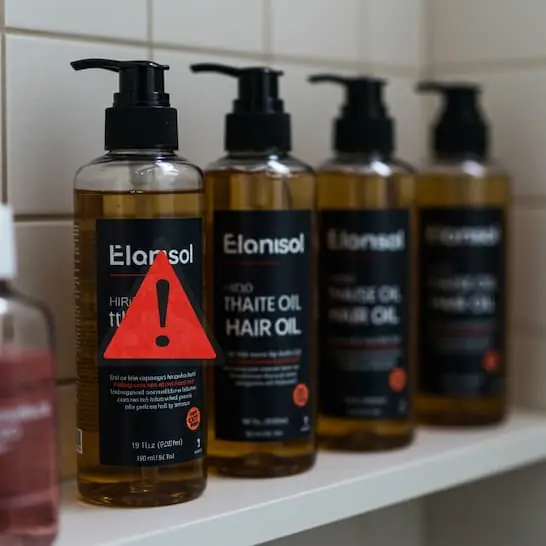
We believe that regular oiling is the secret to strong, healthy hair. But in an unregulated market, many so-called "nourishing" oils contain a blend of synthetic fillers that do more harm than good. These cheap ingredients create a false sense of shine and softness while preventing genuine nourishment from reaching your hair follicles.
At Botani Bestie, we're dedicated to helping you make a truly informed choice. We're here to reveal the toxic ingredients hiding in your hair oil and guide you toward authentic, clean alternatives that truly heal and strengthen your hair from root to tip.
Quick Checklist: What to Ditch on Your Hair Oil Label
- ❌ Paraffinum Liquidum / Mineral Oil
- ❌ Dimethicone / Cyclopentasiloxane / Siloxanes
- ❌ CI numbers / FD&C colors
- ❌ Fragrance / Perfume / Aroma (with no natural origin)
- ❌ BHT / DMDM Hydantoin / Phenoxyethanol
- ❌ Isopropyl Myristate / C12–15 Alkyl Benzoate
- ❌ Alcohol Denat / Benzyl Alcohol
1. Mineral Oil: The Plastic-Like Barrier
Often labeled as Mineral Oil, Liquid Paraffin, or Paraffinum Liquidum, this is a cheap, petroleum-derived byproduct. It feels light and non-greasy, but it's a double-edged sword. Mineral oil forms a plastic-like coating on your hair and scalp, which makes it feel temporarily smooth. However, this barrier suffocates the scalp, clogs pores, and prevents natural oils from being absorbed. This can lead to a dry, itchy scalp, stunted hair growth, and a vicious cycle of dependency on the very product causing the problem.
2. Silicones: The Deceptive Shine
Just like in conditioners, silicones such as Dimethicone and Cyclopentasiloxane are added to hair oils to provide a superficial shine and smooth feel. These non-water soluble ingredients coat your hair, giving the illusion of health. But this layer prevents genuine, nourishing oils from penetrating the hair shaft, leading to a buildup that can only be removed with harsh shampoos. Over time, your hair becomes weaker and more brittle, while your scalp suffers from blocked pores.
3. Fragrance / Parfum: The Hidden Allergens
The terms "Fragrance" or "Parfum" on an ingredient label are a massive red flag. This single word can hide a proprietary blend of hundreds of undisclosed chemicals, including **phthalates**—potent endocrine disruptors—and known allergens. This lack of transparency means you're potentially exposing your scalp to irritants that can cause inflammation, itching, and long-term sensitivity. If a product’s scent is not clearly stated as being from a natural source like essential oils, it's best to avoid it.
4. Preservatives & Antioxidants: The Endocrine Disruptors
While rare in pure oils, many colored or perfumed hair oils contain preservatives and antioxidants to prolong shelf life. Be vigilant for ingredients like BHT (Butylated Hydroxytoluene), DMDM Hydantoin, and Phenoxyethanol. BHT is a synthetic antioxidant with a reputation as a potential endocrine disruptor. DMDM Hydantoin is particularly dangerous as it is a formaldehyde-releasing agent, a known carcinogen. These are chemicals you should not be massaging into your scalp on a regular basis.
5. Artificial Colors: The Pointless Chemicals
Hair oils are often colored to look visually appealing, but these dyes, listed as CI numbers or FD&C colors, serve no purpose for your hair. These synthetic colors are often derived from petrochemicals and can be a source of scalp irritation and allergic reactions. A truly pure and nourishing hair oil does not need to be artificially colored to prove its worth.
⚠️ Beware of “Herbal” Oils: A Common Marketing Scam
The Indian market is flooded with products labeled "Ayurvedic" or "Herbal" that are far from natural. These companies often use a tiny amount of herbal extract, but the primary base remains cheap mineral oil. They add synthetic fragrances and colors to mimic a natural scent and appearance. Always read the ingredient list, not just the marketing claims. If mineral oil is listed as the first ingredient, it’s a red flag—the product is more petroleum than plant.
Rescue Your Hair: Making the Switch to a Safer Oil
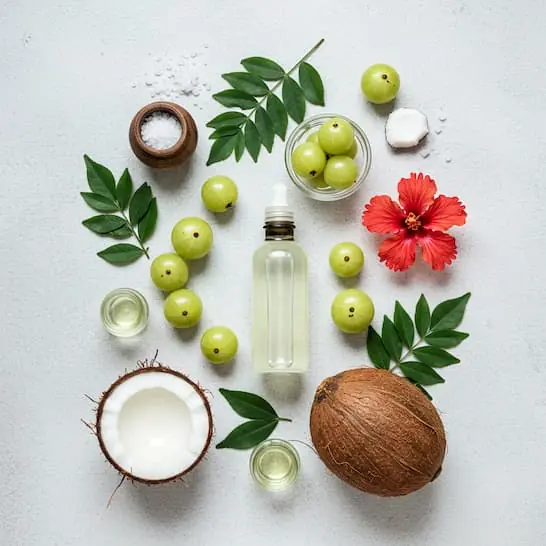
Making the switch to clean hair oil is a powerful act of self-care. Look for oils with a single or a few natural, cold-pressed bases like Coconut Oil, Sesame Oil, or Almond Oil. True herbal oils will list their extracts clearly and will be free of the toxic ingredients listed above. The switch to a pure, unadulterated oil will allow your scalp to breathe and your hair to absorb genuine nourishment, leading to real, lasting health and vitality.
Your hair deserves better. It's time to choose an oil that heals and strengthens, not just coats and clogs.
"The best ingredients are the ones you can understand."
💚 Related Reads for Your Clean Beauty Journey
Is Your Conditioner Slowly Ruining Your Hair? | Botani Bestie Blog
Is your daily conditioner a silent threat to your hair's health? Discover the shocking truth about toxic ingredients hidden in popular formulas and learn how to switch to safe, natural alternatives for truly healthy, vibrant hair.
Read MoreAre You Trapping Your Hair in a Cycle of Damage? | Botani Bestie Blog
Discover the harmful ingredients in popular hair serums like silicones, alcohol, and synthetic fragrances that can cause long-term damage and dependency.
Read MoreBio-Fermentation & Ayurveda: Are Biotech Ingredients Better Than Traditional Herbs?
Discover the powerful fusion of ancient Ayurveda and modern science. We debunk myths about peptides and fermented actives, proving intelligent blending is the key to advanced beauty.
Read MoreMyths vs Facts: The Honest Truth About Natural vs Commercial Beauty
Are commercial products always harmful? Are naturals always safe? We cut through the greenwashing to expose the truth and show how Botani Bestie stands apart.
Read MoreIs Your Shampoo Slowly Damaging Your Hair and Health? | Botani Bestie Blog
Is your shampoo a silent threat? Discover how common ingredients can slowly damage your hair and impact your health, and find out what to use instead.
Read MoreHow to Read a Hair Care Label Like a Pro | Botani Bestie Blog
Stop falling for marketing gimmicks. Learn to read hair care labels and identify harmful ingredients like sulfates, silicones, and parabens to make healthier choices for your hair.
Read More